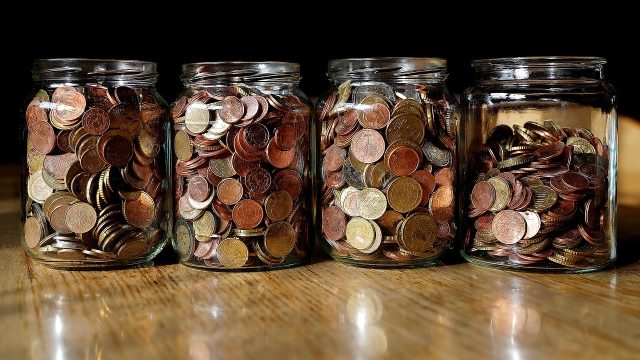
Why Most Domains Take Years to Sell and Why That's Okay
If you are new to selling domains, the silence can be painful. Months go by with no offers. Here is why that happens, and how I learned to stop panicking.
I remember checking my email ten times a day when I first listed my domains for sale. Any offers? No. Any questions? No. Any interest at all? Nothing.
After two months I convinced myself the names were worthless. After six months I almost dropped half of them. Thank goodness I didn't, because one of those "worthless" names sold three years later for more than I'd spent on my whole portfolio that year.
If you're in that waiting stage right now, this post is for you.
Domains are not like shoes
When you sell shoes, lots of people need shoes, so if your shoes are decent and the price is fair, they move. Domains aren't like that. Each name is a one-off, and it usually suits only a small number of buyers in the whole world.
The right buyer for a name might be a company that doesn't even exist yet. Someone who's going to start a solar business in Kenya next year. Someone who'll decide in 2028 that it's finally time to upgrade from their long, awkward domain to a proper one.
You're not waiting for "a" buyer. You're waiting for the buyer. That takes time.
What normal looks like
People in this business often talk about sell-through rate, which just means what percentage of your names sell in a year. You'll hear different numbers from different investors, but most say it's low. Single digits. Many portfolios sell somewhere around one or two percent of their names per year.
Read that again, because it matters. If you own 100 names, selling one or two a year might be completely normal. It doesn't mean you're failing. It means you're in the domain business.
That's also why prices for good names might seem high to outsiders. Each sale has to pay for all the years of renewals on all the names that are still waiting.
Things that help (a bit)
You can't force a buyer to appear, but you can make it easier for them when they do:
- Put a clear "for sale" page on every name. If someone types your domain into their browser and sees an error page, you've lost them.
- Show a price, or at least a starting price. Many buyers won't bother making an offer if they have to guess.
- Offer a payment plan. Lots of small businesses can afford $150 a month but not $1,800 up front. Lease to own has opened up a whole new group of buyers.
- Answer fast. When someone does ask, reply the same day if you can. Interest cools quickly.
- Make it look trustworthy. A proper sales page, clear terms, safe payment. Buyers are nervous about scams, and they should be.
Don't drop the price out of panic
When nothing happens for months, it's very tempting to slash your prices. Sometimes a price really is too high and lowering it is the right move. But don't do it just because you're nervous. A name that's worth $3,000 to the right buyer is still worth $3,000 next year. Cutting it to $300 out of frustration only helps whoever buys it, and they'll often flip it for much more.
When it's time to let go
Patience doesn't mean holding everything forever. Once a year, look at each name and be honest. Is it still a name a business would want? Has it had any interest at all? Would you register it again today?
If not, let it drop and use that renewal money on a better name. Holding onto weak names out of hope is one of the most expensive habits in this business. I know, because I had it.
The quiet payoff
The waiting is hard. I won't pretend it isn't. But there's something special about the day an email arrives about a name you registered years ago and almost forgot about. Someone has a business, a dream, a plan, and your name fits it perfectly.
That's the moment the waiting makes sense. So check your email a bit less, keep your names tidy, and give them time.
Looking for the right domain name?
Browse the portfolio: buy now, make an offer, or lease to own.